-
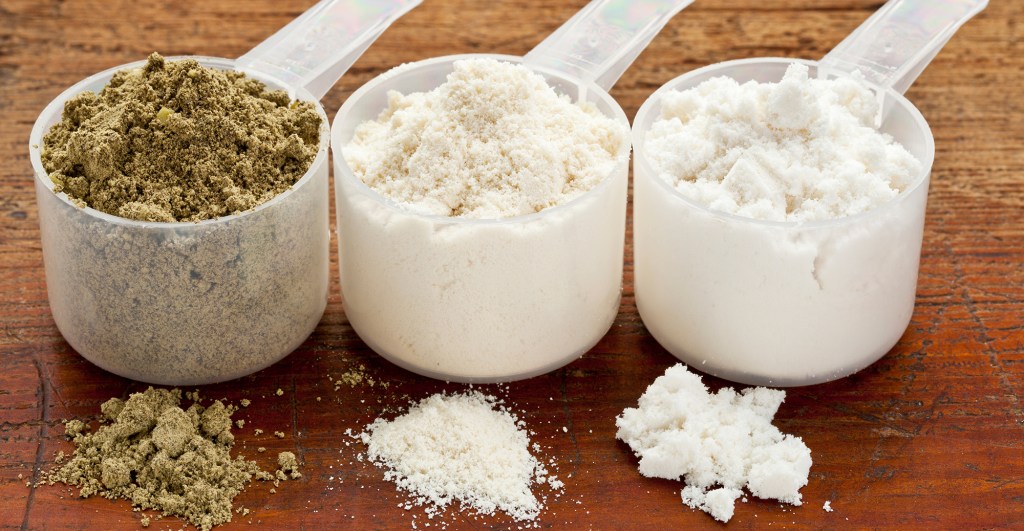
A Comparative Analysis of Whey Protein, Vegan Protein, and Casein Protein: Benefits and Beyond
Protein is a fundamental macronutrient essential for various physiological functions, including muscle development, immune support, and enzyme production. In recent years, the market for protein supplements has grown exponentially, offering a diverse array of options. Three prominent protein sources often used in supplementation are whey protein, vegan protein, and casein protein. In this scientific article,…
-

The Science-Backed Benefits of Creatine Supplementation
Creatine is a naturally occurring compound found in small amounts in certain foods and synthesized within the human body, primarily in the liver, kidneys, and pancreas. This molecule plays a crucial role in the production of adenosine triphosphate (ATP), the primary energy currency of cells. While creatine can be obtained through dietary sources like red…
-

Rethinking Hydration: Why Drinking 8 Glasses of Water a Day Isn’t Always Accurate
For decades, the recommendation to drink eight glasses of water a day has been touted as a universal guideline for maintaining good health and staying properly hydrated. While hydration is undoubtedly vital for overall well-being, the one-size-fits-all prescription of eight glasses may not be suitable for everyone. In this article, we will delve into the…
-

Debunking the Myth: Nighttime Eating and Weight Gain
The notion that eating at night leads to weight gain has been deeply ingrained in popular culture for decades. However, recent scientific research challenges this long-held belief. This article aims to shed light on the misconceptions surrounding nighttime eating and present evidence demonstrating that eating at night does not, in fact, lead to weight gain.…
-

Unmasking the “Natural” Food Label: Why It Doesn’t Guarantee Healthy Choices
Food labels play a crucial role in guiding consumers’ purchasing decisions and dietary choices. Among the various terms found on labels, “natural” is one that often catches the eye and suggests a product is wholesome and healthy. However, the term “natural” on a food label can be misleading and doesn’t necessarily equate to a nutritious…
-

Red Meat Reconsidered: Dispelling the Myth That It’s Always Bad for Your Health
For years, red meat has been under scrutiny, with many associating its consumption with health risks ranging from heart disease to cancer. While some studies have suggested a potential link between high red meat intake and certain health problems, it’s essential to examine the scientific evidence critically and consider the broader context. In this article,…
-

Debunking the Detox Diet Myth: Why Detox Diets Don’t Actually Help Detoxify Your Body
Detox diets have gained popularity as a way to cleanse the body of toxins and improve overall health. These diets often involve drastic changes in eating habits, including fasting, consuming specific foods, or using supplements, all with the promise of eliminating harmful substances. However, the scientific consensus is clear: detox diets don’t deliver on their…
-
Debunking the Myth: How Eating Fat Doesn’t Necessarily Make You Fat
For decades, dietary guidelines have cautioned against the consumption of dietary fat, associating it with weight gain and obesity. However, recent scientific research has shed light on the complexity of the relationship between dietary fat and body weight. In this article, we will explore the scientific evidence that challenges the notion that eating fat inevitably…
-

High Fructose Corn Syrup vs. Sugar: A Closer Look at Their Impact on Long-Term Health
High fructose corn syrup (HFCS) and sugar are two commonly used sweeteners in the food industry, both widely criticized for their potential negative effects on long-term health. The debate over which is worse has generated significant public interest. However, it is essential to recognize that the excessive consumption of both HFCS and sugar can have…
-

The Nutritional Powerhouse: Unlocking the Benefits of Whole Foods
In a world of fast food and processed snacks, the importance of whole foods in our diets cannot be overstated. Whole foods, in their natural and unprocessed state, are rich reservoirs of essential nutrients, vitamins, minerals, and fiber that provide a myriad of health benefits. This article delves into the scientific evidence behind the consumption…
-
Subscribe
Subscribed
Already have a WordPress.com account? Log in now.
 Wise wellness