-

The Compounding Benefits of Daily Fruit Consumption: Exploring the Science Behind a Healthy Habit
Fruits have long been celebrated for their role in a balanced diet, providing essential vitamins, minerals, fiber, and antioxidants. Consuming fruit on a daily basis is a dietary habit that offers numerous health benefits. Contrary to misconceptions about the sugar content in fruits, a wealth of scientific evidence supports the idea that daily fruit consumption…
-

The Bittersweet Science: The Addictive Nature of Sugar and its Impact on the Brain
Sugar is a ubiquitous component of modern diets, found in a wide variety of foods and beverages. Its sweet taste is appealing, making it a staple ingredient in many of our favorite treats. However, recent research has shed light on the addictive nature of sugar, demonstrating how its consumption can lead to changes in the…
-
The Rise of Mindful Fitness: How to Combine Exercise and Meditation for Holistic Well-being
In recent years, the intersection of exercise and meditation, known as mindful fitness, has gained significant popularity within the health and wellness industry. This holistic approach to well-being emphasizes the importance of mental and physical health, recognizing their interconnectedness. Mindful fitness incorporates mindfulness practices like meditation, deep breathing, and yoga into traditional exercise routines. This…
-

Unlocking the Power of Lesser-Known Micronutrients for Optimal Health and Wellness
When it comes to nutrition, we often hear about the importance of vitamins and minerals, such as vitamin C, calcium, and iron. While these micronutrients are essential, there are many lesser-known micronutrients that play a crucial role in maintaining our health and well-being. In this article, we’ll explore some of these lesser-known micronutrients, their functions,…
-
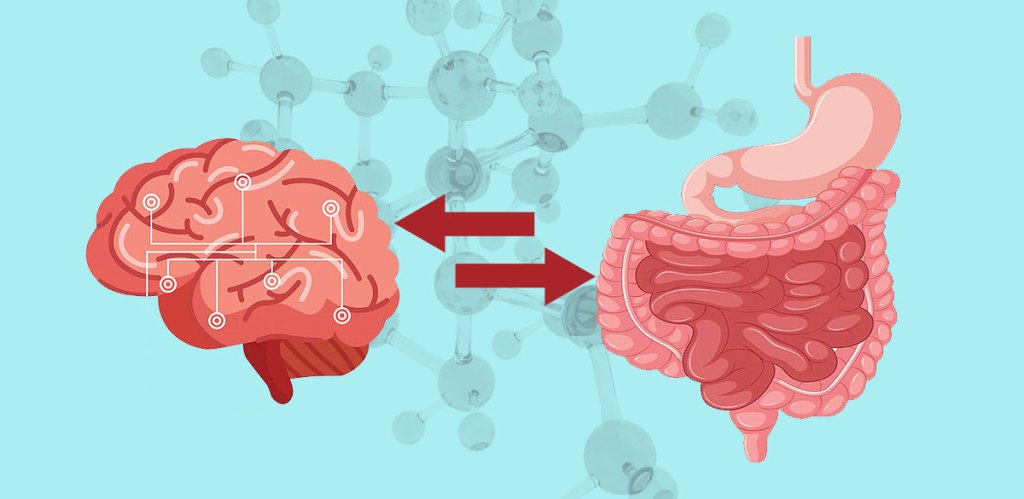
The Gut-Brain Connection: Exploring the Link Between Gut Health and Mental Wellbeing
The intricate connection between the gut and the brain has been the subject of extensive research in recent years, revealing a fascinating relationship between gut health and mental wellbeing. This article delves into the latest scientific research on the gut-brain axis and explores how the microbiome, the community of microorganisms living in our digestive system,…
-

Intermittent Fasting: Science-Backed Benefits and How to Get Started
Intermittent fasting (IF) has gained considerable attention in recent years for its potential health benefits, including weight loss and improved metabolic health. This article delves into the scientific evidence supporting intermittent fasting and provides a comprehensive guide on how readers can safely incorporate it into their lifestyles. Understanding Intermittent Fasting Intermittent fasting is not a…
-

The Power of Adaptogens: How These Natural Remedies Can Help Manage Stress and Improve Resilience
In our modern, fast-paced world, stress has become a prevalent concern that affects physical and mental well-being. In response to this, the use of adaptogens, a class of natural remedies, has gained popularity. Adaptogens are herbal substances that have a long history in traditional medicine for their ability to help the body adapt to stress.…
-

Mindful Eating: The Science of Eating with Awareness and Its Impact on Weight Management
In a world dominated by fast food and hectic schedules, the concept of mindful eating is gaining momentum as a potential key to healthier eating habits and effective weight management. Mindful eating is more than just a trendy catchphrase; it’s a scientifically grounded approach that encourages individuals to be fully present in the moment during…
-
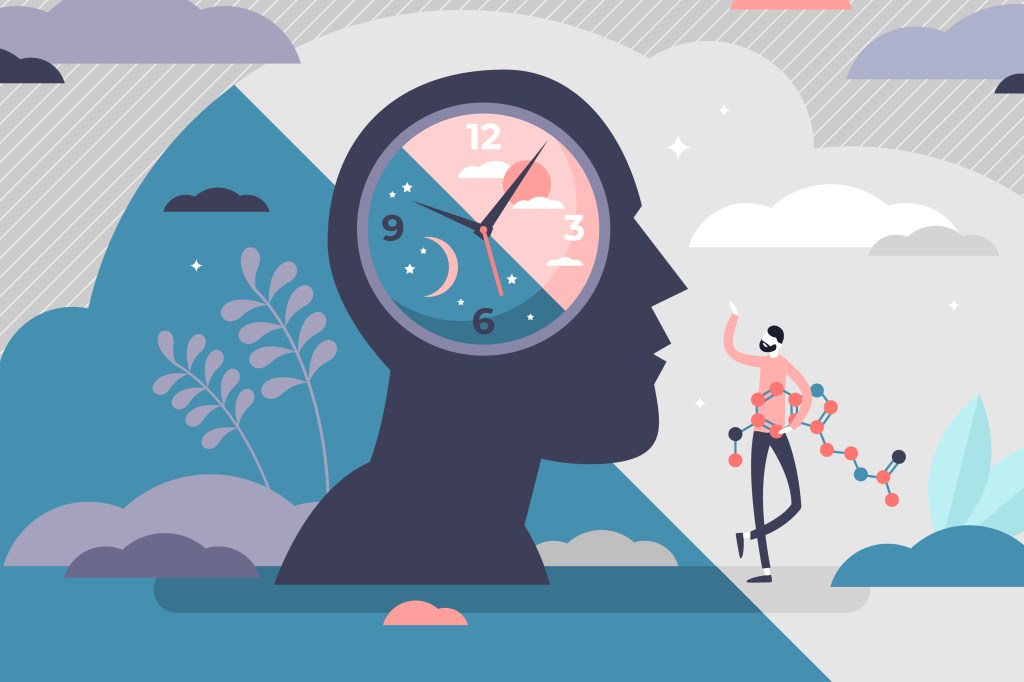
Unraveling the Circadian Rhythm: The Crucial Link Between Biological Clocks and Health
The circadian rhythm, often referred to as the body’s internal clock, governs a wide range of physiological processes, from sleep-wake cycles to hormonal fluctuations. Proper management of this circadian rhythm is critical for overall health and wellness. In this article, we will delve into the science behind the circadian rhythm, explore why its management is…
-

Disrupting the Body Clock: How Screen Time Impacts Circadian Rhythms
In today’s digital age, screens have become an integral part of our daily lives. We use smartphones, tablets, computers, and televisions for work, entertainment, and communication. However, prolonged and excessive screen time, especially during evening hours, has raised concerns about its impact on our circadian rhythms—the internal body clock that regulates various physiological processes. This…
-
Subscribe
Subscribed
Already have a WordPress.com account? Log in now.
 Wise wellness