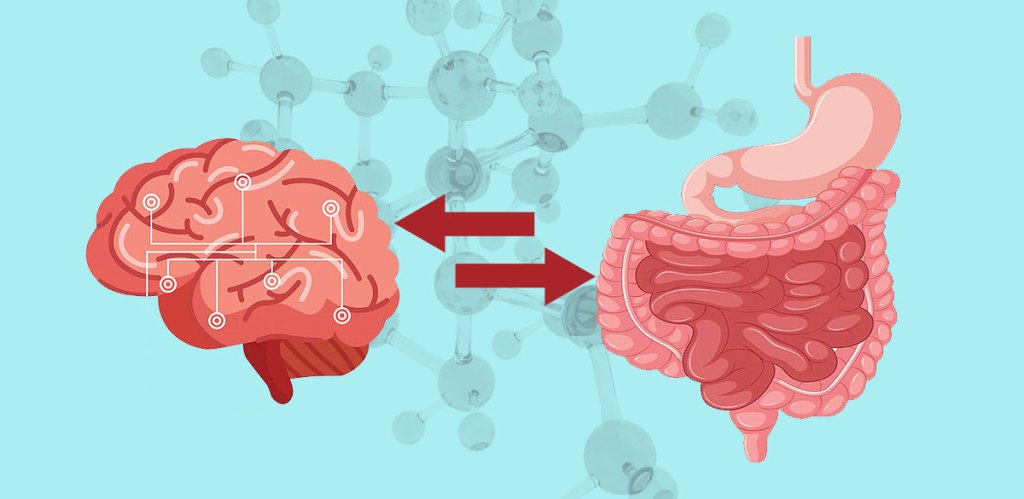
The intricate connection between the gut and the brain has been the subject of extensive research in recent years, revealing a fascinating relationship between gut health and mental wellbeing. This article delves into the latest scientific research on the gut-brain axis and explores how the microbiome, the community of microorganisms living in our digestive system, can significantly influence mental health. Additionally, practical tips for improving gut health are provided, along with insights into the potential impact on mood and cognition.
Unraveling the Gut-Brain Axis
The gut-brain axis refers to the bidirectional communication between the gastrointestinal system and the central nervous system. This communication occurs through a complex network involving the endocrine, immune, and neural pathways, connecting the gut and the brain.
The Microbiome’s Role
At the heart of the gut-brain axis is the microbiome, a diverse community of bacteria, viruses, fungi, and other microorganisms residing in the gastrointestinal tract. This microbiome plays a pivotal role in influencing various physiological and biochemical processes throughout the body.
The Impact of the Microbiome on Mental Wellbeing
Emerging scientific evidence has revealed the profound influence of the microbiome on mental health, cognition, and emotional regulation. Several key findings support this connection:
Mood and Emotional Regulation
Studies have shown that the gut microbiome plays a role in mood and emotional regulation. Research published in the “Journal of Clinical Psychiatry” in 2019 indicated that alterations in the gut microbiome can be associated with mood disorders such as depression and anxiety. This relationship is due, in part, to the microbiome’s influence on the production of neurotransmitters like serotonin, a key regulator of mood.
Stress Response
The gut microbiome can also affect the body’s response to stress. A study in the “Journal of Neuroinflammation” in 2018 revealed that certain gut bacteria can modulate the hypothalamic-pituitary-adrenal (HPA) axis, which plays a central role in the body’s stress response. Dysregulation of the HPA axis is linked to various stress-related disorders.
Cognitive Function
Cognitive function and brain health are not exempt from the microbiome’s influence. A study published in “Frontiers in Aging Neuroscience” in 2016 suggested that an imbalance in the gut microbiome might contribute to age-related cognitive decline and neurodegenerative diseases.
Tips for Improving Gut Health
Maintaining a healthy gut is essential for overall wellbeing and mental health. Here are some practical tips to improve gut health:
1. Eat a Diverse Diet
A varied diet rich in fiber, fruits, vegetables, and whole grains promotes a diverse gut microbiome. Different microorganisms thrive on different types of nutrients, so a diverse diet can foster a diverse microbiome.
2. Incorporate Fermented Foods
Fermented foods like yogurt, kefir, sauerkraut, and kimchi contain beneficial probiotics that can bolster the microbiome’s health.
3. Prebiotics
Prebiotics are non-digestible fibers that serve as food for the beneficial bacteria in your gut. Foods like garlic, onions, asparagus, and leeks are excellent sources of prebiotics.
4. Manage Stress
Chronic stress can negatively impact the gut microbiome. Incorporate stress-reduction techniques like mindfulness, meditation, and exercise into your daily routine to support gut health.
5. Stay Hydrated
Adequate water intake is crucial for gut health, as it helps with digestion and the absorption of nutrients.
6. Limit Artificial Sweeteners
Certain artificial sweeteners may disrupt the gut microbiome. Be mindful of your intake of such additives.
The Potential Impact on Mood and Cognition
By prioritizing gut health, individuals may experience notable improvements in mood and cognitive function. These benefits stem from the microbiome’s influence on neurotransmitter production and inflammation regulation.
Mood Enhancement
A balanced microbiome can support the production of serotonin and other mood-regulating neurotransmitters, potentially leading to enhanced emotional wellbeing and a reduced risk of mood disorders.
Cognitive Vitality
Maintaining a diverse and healthy gut microbiome may help protect against cognitive decline and neurodegenerative diseases. A well-balanced microbiome can reduce inflammation, support neuroplasticity, and protect brain health.
Conclusion
The gut-brain connection represents an exciting frontier in scientific research. Understanding the vital role of the microbiome in influencing mental health, mood, and cognitive function provides valuable insights into the ways we can promote our overall wellbeing. By prioritizing gut health through a balanced diet, stress management, and other practical tips, individuals have the opportunity to harness the potential of the gut-brain axis to improve their mental health and cognitive vitality. As science continues to unveil the intricacies of this connection, it offers a promising avenue for promoting mental wellbeing and a higher quality of life.
 Wise wellness
Leave a comment