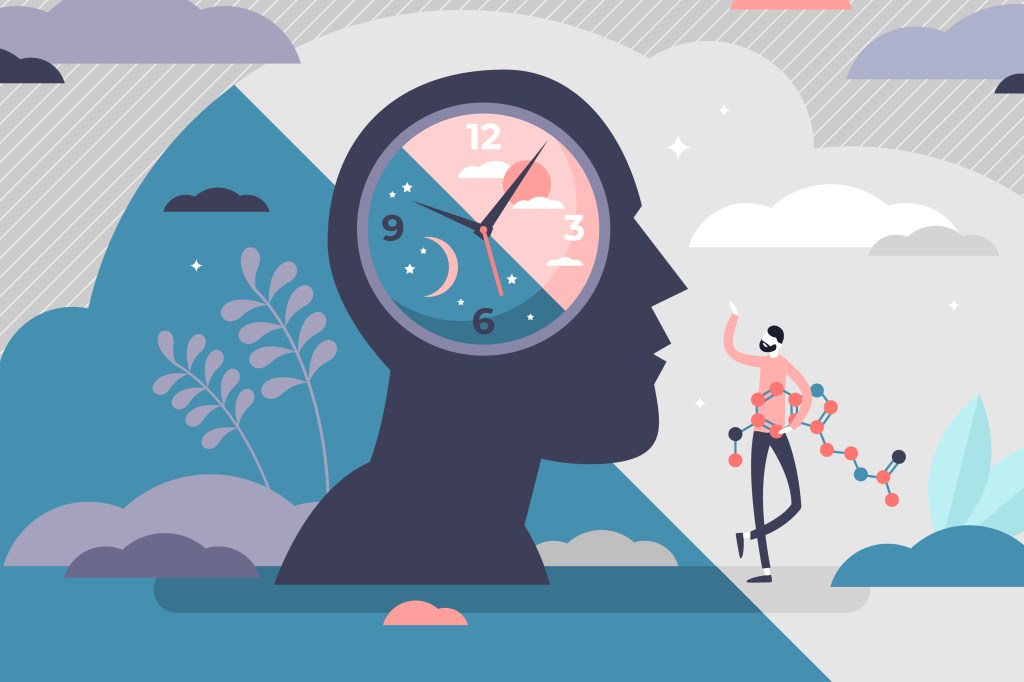
The circadian rhythm, often referred to as the body’s internal clock, governs a wide range of physiological processes, from sleep-wake cycles to hormonal fluctuations. Proper management of this circadian rhythm is critical for overall health and wellness. In this article, we will delve into the science behind the circadian rhythm, explore why its management is essential for health, and discuss evidence-based strategies to improve its alignment.
Understanding the Circadian Rhythm
The circadian rhythm is a natural, 24-hour cycle that regulates various bodily functions, including sleep, hormone production, body temperature, and metabolism. This internal clock is synchronized with the external environment, primarily through the light-dark cycle, to optimize physiological processes.
Critical Role of Circadian Rhythm in Health and Wellness
- Sleep Regulation: Perhaps the most well-known function of the circadian rhythm is the regulation of sleep-wake cycles. The suprachiasmatic nucleus (SCN) in the brain’s hypothalamus acts as the master pacemaker, coordinating the release of melatonin and other hormones that signal when it’s time to sleep or wake. Disruption of this cycle, such as through shift work or irregular sleep patterns, can lead to sleep disorders, like insomnia and sleep deprivation.
- Hormone Production: The circadian rhythm influences the secretion of various hormones, including cortisol, growth hormone, and insulin. Proper hormone regulation is crucial for maintaining energy levels, muscle growth, fat metabolism, and overall metabolic health. Studies published in the “Journal of Clinical Endocrinology & Metabolism” emphasize the impact of circadian disruption on hormone-related health issues, such as obesity and diabetes.
- Immune Function: The circadian rhythm plays a role in immune system function. Research in “Nature Reviews Immunology” highlights that circadian timing influences the activity of immune cells, impacting susceptibility to infections and inflammatory diseases. Disrupted circadian rhythms can compromise immune defenses, making individuals more vulnerable to illness.
- Mood and Mental Health: Circadian disruptions have been linked to mood disorders such as depression and bipolar disorder. A study in the “Journal of Biological Rhythms” discusses the connection between circadian misalignment and mood disturbances, emphasizing the importance of proper management for mental well-being.
Strategies to Improve Circadian Rhythm
Managing the circadian rhythm is vital for health and wellness. Here are evidence-based strategies to enhance its alignment:
- Regular Sleep Schedule: Maintaining a consistent sleep schedule, even on weekends, can help synchronize the circadian rhythm. Going to bed and waking up at the same times each day reinforces the body’s internal clock. A study published in “Sleep Medicine Reviews” emphasizes the importance of regularity for sleep quality.
- Exposure to Natural Light: Natural light exposure during the day helps regulate the circadian rhythm. Spend time outdoors, especially in the morning, to signal to your body that it’s daytime. Research in the “Journal of Clinical Sleep Medicine” suggests that morning light exposure can improve sleep and mood.
- Limit Blue Light Exposure at Night: The use of electronic devices emitting blue light in the evening can disrupt the circadian rhythm by suppressing melatonin production. Reduce screen time before bedtime, or use blue light-blocking glasses to minimize its impact. Studies in “Sleep Medicine” and “Chronobiology International” highlight the role of blue light in sleep disturbances.
- Avoid Stimulants Before Bed: Caffeine and other stimulants should be avoided in the hours leading up to bedtime. These substances can interfere with sleep initiation and quality. A study in “Psychopharmacology” discusses the effects of caffeine on sleep parameters.
- Mindful Eating: Eating habits can affect the circadian rhythm. Avoid heavy meals close to bedtime, as they can disrupt sleep. Additionally, try to align meal times with your natural circadian rhythm. Research in “Cell” suggests that time-restricted feeding can have positive effects on metabolism.
- Regular Physical Activity: Engaging in regular physical activity can help regulate the circadian rhythm. Aim for at least 30 minutes of moderate-intensity exercise most days of the week. Studies published in “The Journal of Physiology” and “Sports Medicine” discuss the impact of exercise on circadian rhythm synchronization.
Conclusion
The circadian rhythm is a fundamental biological process that plays a crucial role in regulating various aspects of health and wellness, including sleep, hormone production, immune function, mood, and metabolic health. Understanding the science behind the circadian rhythm and implementing evidence-based strategies to improve its alignment is essential for maintaining optimal well-being.
By establishing a regular sleep schedule, exposing yourself to natural light, limiting evening blue light exposure, avoiding stimulants before bedtime, practicing mindful eating, and engaging in regular physical activity, you can help manage your circadian rhythm and unlock the key to better health and a more balanced lifestyle. Prioritizing circadian health is a step toward achieving overall well-being and vitality.
 Wise wellness
Leave a comment