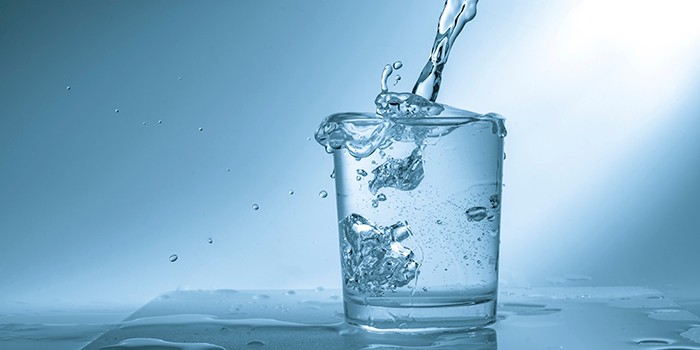
For decades, the recommendation to drink eight glasses of water a day has been touted as a universal guideline for maintaining good health and staying properly hydrated. While hydration is undoubtedly vital for overall well-being, the one-size-fits-all prescription of eight glasses may not be suitable for everyone. In this article, we will delve into the science of hydration and explore why the “eight glasses a day” rule is not always accurate, backed by factual evidence.
The Myth of Eight Glasses a Day
The idea that individuals need precisely eight 8-ounce glasses of water each day has been perpetuated for years. It’s often expressed as the “8×8” rule, which equates to about 2 liters or half a gallon of water daily. However, several factors influence an individual’s hydration needs, and a rigid prescription may not be appropriate for everyone.
Individual Variability in Hydration Needs
1. Body Size and Composition: People with larger body sizes naturally have more body water to maintain. Therefore, their hydration needs may be greater than those of smaller individuals.
2. Physical Activity Level: Active individuals who engage in strenuous exercise or work in hot, humid conditions may lose more fluids through sweating and, therefore, require higher water intake.
3. Climate and Environment: Hot and dry climates can increase the rate of fluid loss through perspiration, necessitating more substantial water consumption to stay adequately hydrated.
4. Diet and Sodium Intake: Diets high in salt (sodium) can increase the body’s water requirements, as excess sodium can lead to water retention. Conversely, individuals with low sodium intake may need less water.
5. Health Conditions: Certain medical conditions, such as diabetes and kidney disease, can affect an individual’s fluid balance and hydration needs. Medications and medical treatments can also influence these requirements.
6. Individual Thirst Response: Thirst is the body’s natural mechanism for regulating fluid intake. Some people have a more sensitive thirst response and naturally consume more fluids when needed.
The Role of Dietary Sources
It’s important to recognize that hydration doesn’t solely depend on drinking water. Many foods and beverages contribute to daily fluid intake. Fruits, vegetables, soups, and even coffee and tea all provide fluids. In fact, an estimated 20-30% of daily water intake comes from food, highlighting the significance of dietary sources in hydration.
The Risk of Overhydration
Drinking excessive amounts of water beyond one’s individual needs can lead to a condition known as water intoxication or hyponatremia. This occurs when the balance of electrolytes, particularly sodium, is disrupted due to an excessive intake of fluids. Symptoms can range from mild to severe and may include nausea, headaches, confusion, and, in severe cases, seizures or coma.
Fact: Listen to Your Body
Rather than adhering to a rigid “eight glasses a day” rule, it is more advisable to listen to your body’s signals of thirst. Your body has a finely tuned mechanism to regulate fluid balance, and thirst is a primary signal that indicates when you need to drink water. Here are some evidence-based guidelines for maintaining proper hydration:
1. Pay Attention to Thirst: Drink when you’re thirsty. Thirst is your body’s way of telling you it needs fluids. Responding to your body’s signals is the most accurate way to meet your hydration needs.
2. Monitor Urine Color: Urine color can be a simple indicator of hydration. Light yellow or pale straw-colored urine typically suggests adequate hydration, while darker urine may indicate dehydration.
3. Adjust for Activity: Be mindful of your activity level and environmental conditions. Engage in more fluid intake on hot days or during intense physical activity.
4. Incorporate Hydrating Foods: Include foods with high water content in your diet, such as fruits and vegetables, to contribute to your overall hydration.
5. Individualize Hydration: Recognize that hydration needs can vary widely between individuals. Tailor your fluid intake to your specific body size, activity level, and environmental factors.
Conclusion
The “eight glasses a day” rule is an oversimplified guideline that doesn’t account for the numerous individual factors that influence hydration needs. Proper hydration is crucial for overall health, but it’s essential to recognize that there is no one-size-fits-all approach to water intake. Instead, individuals should listen to their bodies, respond to thirst cues, and consider their unique circumstances when determining their hydration needs. Maintaining a balanced and individualized approach to hydration is key to staying properly hydrated and promoting overall well-being.
 Wise wellness
Leave a comment