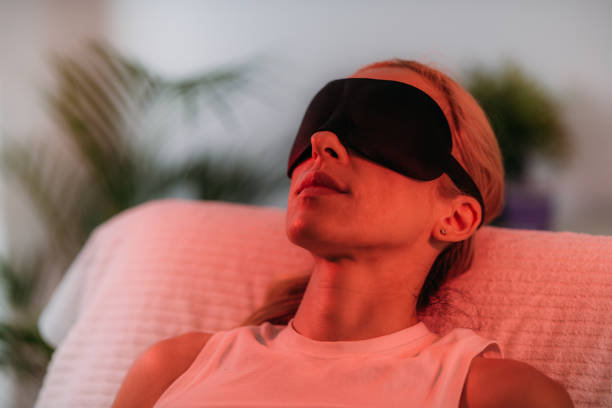
In recent years, red light therapy has gained significant attention in the realm of health and wellness. Also known as low-level laser therapy (LLLT) or photobiomodulation, this non-invasive treatment involves the exposure of tissues to red or near-infrared light. While the concept may seem futuristic, the application of red light therapy has deep roots in scientific research and medical practice. This article explores the benefits of red light therapy and presents a compelling body of evidence to support its numerous advantages for health and well-being.
The Spectrum of Light
Before delving into the benefits, it is essential to understand the electromagnetic spectrum of light. At one end lies ultraviolet (UV) light, which is notorious for its harmful effects, including skin damage and cancer. At the other end is infrared light, which carries therapeutic potential. Red and near-infrared light occupy this therapeutic portion of the spectrum, with wavelengths ranging from approximately 630 to 1000 nanometers (nm).
Stimulating Collagen Production and Skin Rejuvenation
One of the most widely recognized benefits of red light therapy is its ability to stimulate collagen production and enhance skin health. Collagen is a crucial protein responsible for skin’s strength, elasticity, and youthful appearance. Over time, collagen production naturally declines, leading to wrinkles, fine lines, and sagging skin.
Several studies have demonstrated the positive effects of red light therapy on skin rejuvenation. A 2014 study published in the Journal of Dermatological Treatment found that red light therapy significantly improved skin complexion and reduced the appearance of wrinkles and fine lines. This is attributed to red light’s ability to penetrate the skin and stimulate fibroblast activity, which, in turn, leads to increased collagen synthesis.
Pain Relief and Inflammation Reduction
Red light therapy has also been shown to provide relief from pain and reduce inflammation. Chronic pain conditions, such as arthritis, can be debilitating and severely impact an individual’s quality of life. Red light therapy offers a non-pharmacological and non-invasive alternative for pain management.
Research published in the journal Lasers in Surgery and Medicine demonstrated the efficacy of red light therapy in alleviating joint pain and stiffness in patients with rheumatoid arthritis. By modulating the inflammatory response and promoting tissue repair, red light therapy holds promise as a complementary treatment for various pain conditions, including osteoarthritis, fibromyalgia, and chronic lower back pain.
Mood Enhancement and Mental Health
Beyond its physical benefits, red light therapy may positively impact mental health and well-being. Several studies have investigated its effects on mood and depression. Light, including natural sunlight, plays a crucial role in regulating circadian rhythms and influencing mood through the release of serotonin, often referred to as the “feel-good” neurotransmitter.
A randomized controlled trial published in JAMA Psychiatry in 2016 explored the use of near-infrared light therapy in treating major depressive disorder. The study found that individuals who received active treatment showed significant improvement in depressive symptoms compared to those in the placebo group. While further research is needed, these findings suggest that red light therapy may hold promise as a non-pharmacological intervention for mood disorders.
Accelerated Wound Healing and Tissue Repair
Red light therapy’s ability to accelerate wound healing and tissue repair has significant implications for various medical fields, including dermatology, orthopedics, and sports medicine. By promoting collagen synthesis, angiogenesis (the formation of new blood vessels), and fibroblast proliferation, red light therapy facilitates the healing process.
A study published in the journal Photomedicine and Laser Surgery in 2016 investigated the use of red light therapy in promoting wound healing in diabetic patients. The results demonstrated that red light therapy significantly improved wound closure rates and reduced wound size compared to conventional wound care methods.
Hair Growth and Hair Loss Prevention
Hair loss is a common concern for both men and women, often attributed to factors like genetics, aging, and hormonal imbalances. Red light therapy offers a potential solution for combating hair loss and stimulating hair regrowth. It works by increasing blood flow to the hair follicles and promoting the activity of dormant hair follicles.
A systematic review and meta-analysis published in the journal Lasers in Medical Science in 2020 analyzed the existing research on red light therapy for androgenetic alopecia, a common form of hair loss. The review concluded that red light therapy was effective in promoting hair regrowth and improving hair density, with minimal side effects.
Conclusion
Red light therapy, backed by a growing body of scientific research, offers a range of health benefits that encompass skin rejuvenation, pain relief, mood enhancement, accelerated wound healing, and hair growth. Its non-invasive nature, minimal side effects, and versatility make it a promising therapeutic modality for a wide range of applications.
While red light therapy holds significant promise, it is essential to note that individual responses may vary, and further research is needed to optimize treatment protocols and fully understand its mechanisms of action. As our understanding of the therapeutic potential of red light therapy continues to evolve, it opens new avenues for non-pharmacological interventions in healthcare, paving the way for a brighter, healthier future.
 Wise wellness
Leave a comment