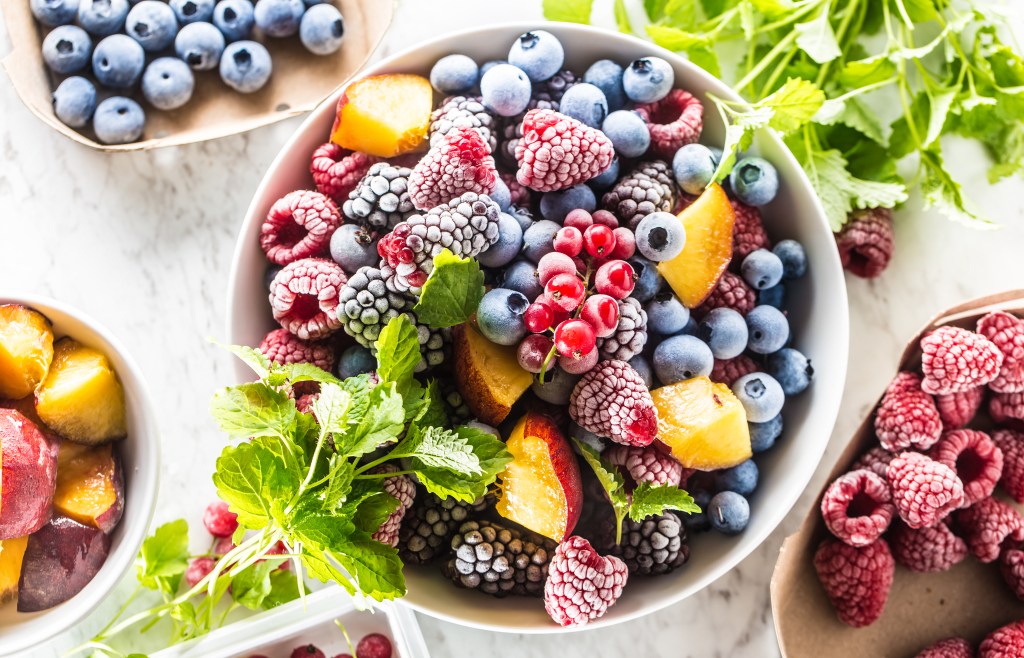
When it comes to making healthy food choices, one common misconception that has persisted for decades is the belief that fresh produce is always more nutritious than its frozen or canned counterparts. While it’s easy to understand why people might hold this belief, it’s essential to debunk this myth and shed light on the nutritional facts.
The Perception of Freshness
Fresh produce often carries an allure of being the healthiest choice. We associate fresh fruits and vegetables with vibrant colors, crisp textures, and the idea that they are just picked from the garden, making them the ultimate nutritional powerhouses. While fresh produce is undoubtedly a healthy option, the assumption that it is always superior to frozen or canned versions needs to be reconsidered.
The Nutritional Preservation Process
Frozen and canned produce undergo specific preservation processes designed to lock in their nutritional value. These processes are more intricate than one might think and have evolved over time to ensure that the food remains both safe and nutritious.
- Freezing: Frozen fruits and vegetables are often picked at their peak ripeness, which is when they are most nutritionally dense. They are then rapidly frozen, typically within hours of being harvested. This process preserves the nutrients, vitamins, and minerals found in the fresh produce.
- Canning: Canned produce undergoes a different preservation method. While heat is used to kill bacteria and enzymes, it’s done in a way that aims to retain as much of the original nutrient content as possible. For example, studies have shown that canned tomatoes have higher levels of certain antioxidants, such as lycopene, compared to fresh tomatoes.
The Nutritional Comparison
To debunk the myth surrounding fresh produce’s superiority, let’s delve into some specific nutrients and see how frozen and canned options stack up:
- Vitamins: The freezing and canning processes can lead to minimal losses in vitamins. For example, a study published in the Journal of Agricultural and Food Chemistry found that frozen blueberries retain most of their vitamin C content. Similarly, the canning process often retains vitamins like B and C.
- Minerals: Frozen and canned produce also maintain their mineral content. In fact, the canning process can increase the bioavailability of some minerals, making them more easily absorbed by the body.
- Fiber: The fiber content of fruits and vegetables, which is essential for digestive health, remains relatively unchanged in both frozen and canned versions.
- Antioxidants: As mentioned earlier, canned tomatoes often contain higher levels of certain antioxidants compared to fresh tomatoes. This is because the heating process used in canning can break down cell walls, releasing more antioxidants like lycopene.
Seasonal Availability
Another factor to consider is the seasonal availability of fresh produce. Depending on where you live, certain fruits and vegetables may only be in season for a limited time. During the offseason, the quality and nutrient content of fresh produce can deteriorate as it travels long distances to reach your plate.
In contrast, frozen and canned produce can be enjoyed year-round, ensuring that you have access to a variety of fruits and vegetables even when they are out of season locally. This accessibility can help you maintain a balanced and nutritious diet throughout the year.
Reducing Food Waste
The issue of food waste is also worth addressing. Fresh produce is more susceptible to spoilage, and a significant amount of it goes to waste due to factors like over-purchasing or inadequate storage. Frozen and canned produce, on the other hand, has a longer shelf life, reducing the likelihood of food waste and ensuring that fewer nutrients end up in the landfill.
Convenience and Accessibility
Frozen and canned produce offer unparalleled convenience. They are pre-cut and pre-packaged, making meal preparation faster and more accessible, which can encourage people to incorporate more fruits and vegetables into their diets. This convenience can be especially beneficial for those with busy lifestyles or limited cooking skills.
Cost-Effectiveness
Fresh produce can be expensive, especially when it’s out of season. Frozen and canned options are often more budget-friendly, allowing individuals and families to stretch their grocery budgets while still enjoying the nutritional benefits of fruits and vegetables.
Environmental Considerations
When comparing the environmental impact of fresh, frozen, and canned produce, it’s important to note that all three have their pros and cons. While fresh produce may have a lower environmental impact in terms of packaging, it often requires long-distance transportation and can contribute to food waste if not consumed promptly. On the other hand, the production of frozen and canned produce involves energy-intensive processes, including freezing and canning.
To make an environmentally conscious choice, consider factors such as sourcing local produce in season, minimizing food waste, and choosing products with eco-friendly packaging.
Balancing Your Diet
Ultimately, the key to a healthy diet is variety and balance. Fresh, frozen, and canned produce can all play essential roles in achieving this balance. There’s no need to restrict yourself to only one form of produce.
Here are some tips for incorporating all types of produce into your diet:
- Fresh: Enjoy fresh produce when it’s in season and readily available. Choose locally grown options for the freshest and most sustainable choices.
- Frozen: Keep a selection of frozen fruits and vegetables in your freezer. They are perfect for adding to smoothies, stir-fries, or as a side dish.
- Canned: Canned produce is convenient for busy days. Use canned tomatoes for sauces and soups, or canned beans to add protein and fiber to your meals.
- Dried: Don’t forget dried fruits, which are another nutritious option. They are a great addition to oatmeal, salads, or homemade trail mix.
- Blend: Consider combining different forms of produce in your meals to maximize both flavor and nutritional value.
Conclusion
Debunking the myth that fresh produce is always more nutritious than frozen or canned is crucial for making informed dietary choices. While fresh produce has its merits, it’s essential to recognize the nutritional value of frozen and canned options, which can be just as beneficial.
The key to a healthy diet lies in variety, accessibility, and sustainability. By incorporating fresh, frozen, and canned produce into your meals, you can enjoy a wide range of nutrients year-round while minimizing food waste and maximizing convenience. So, embrace all forms of produce and make choices that work best for your lifestyle and dietary needs. Your health and the planet will thank you for it.
 Wise wellness
Leave a comment